The Conversation Most Couples Avoid
The financial conversation most couples avoid. Why having it now prevents confusion later.

What Financial Conversation Are Most Couples Avoiding?
The conversation most couples avoid is this: what actually happens financially if one of us isn't here anymore? Most couples talk about retirement in broad strokes. When to stop working, whether to travel, maybe downsizing. But the specific question of how income, accounts, and responsibilities shift when one partner passes gets quietly sidestepped.
"Every couple I've worked with wishes they'd had this conversation sooner," says David P. Schaeffer, advisor at American Retirement Advisors. "It's never as hard as they imagined, and the relief afterward is immediate."
Why Are Financial Roles So Often Uneven?
In many marriages, one person naturally takes the lead with finances. They pay the bills, track investments, handle withdrawals, and meet with financial professionals. The other partner may be aware but not deeply involved. That arrangement works fine for years, until suddenly it doesn't. If the financially involved partner is no longer there, the surviving spouse can feel overwhelmed quickly. Not because she isn't capable, but because she wasn't given clarity ahead of time.
How Does Income Change After a Spouse Passes?
Retirement income usually decreases when one spouse passes. One Social Security benefit often stops. Certain pensions may adjust. Investment strategies may need to change. Meanwhile, many expenses stay the same: housing, insurance, utilities. Understanding how income would shift before it needs to creates stability when it matters most. For a deeper look at this topic, read how to prepare without feeling morbid.
What Questions Should You Be Asking Now?
Start with these: Do we both know where all our accounts are? Would either of us feel financially clear on our own? Are beneficiary designations up to date? Is there someone we'd both trust to call for guidance? These aren't morbid questions. They're practical ones. And answering them together is far easier than answering them alone after a crisis.
How Do You Start This Conversation?
You don't need a formal sit-down. Start with something simple: "I want to make sure we both understand where things stand financially. Can we spend 15 minutes going through our accounts together?" Frame it as a partnership activity, not a difficult topic. The conversation often goes better than expected, and the clarity it creates benefits both of you. The ARA team has thoughtful perspectives on family conversations about inheritance and the love story behind spousal financial planning.
Frequently Asked Questions
What should both spouses know about their finances?
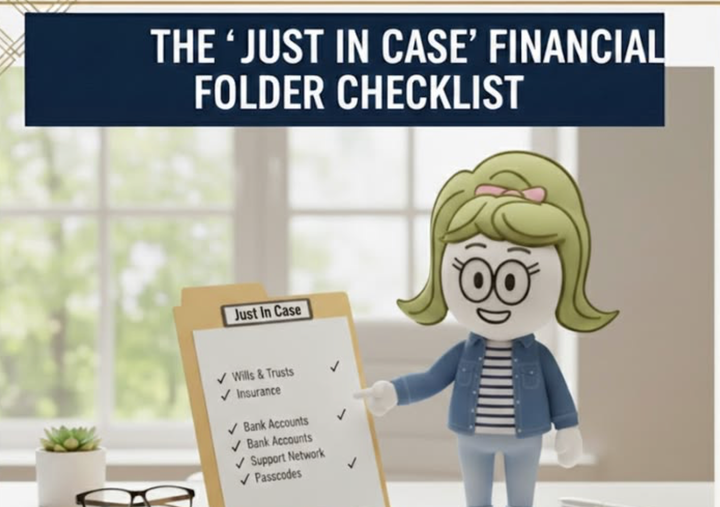
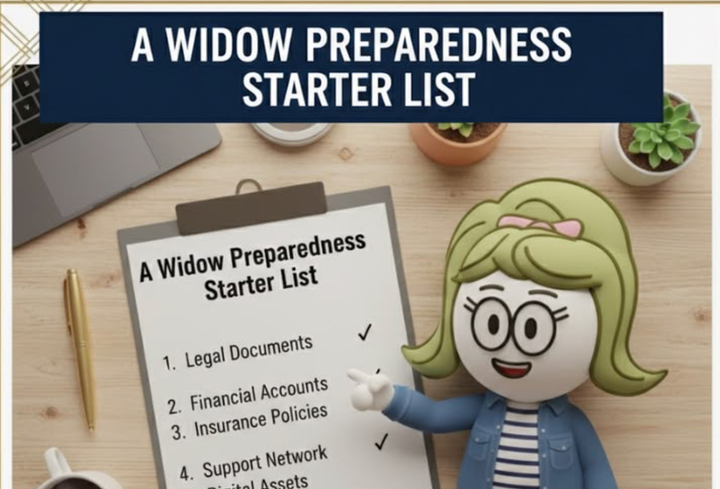
At minimum, both partners should know where all accounts are held (banks, retirement, investments, insurance), how to access them, what the household income sources are, and who to contact for professional guidance. A simple shared document or folder with this information can prevent months of confusion.
How do we decide who gets what if one of us passes?
Start with your beneficiary designations, which determine who inherits retirement accounts and insurance. Then review your will and any trust documents. Make sure these are current and consistent. Conflicting documents create legal headaches. An estate planning attorney can ensure everything is aligned.
Is this conversation different for unmarried couples?
Yes. Unmarried partners often have fewer automatic legal protections. Without a will, assets may not pass to a partner at all. Power of attorney, healthcare directives, and beneficiary designations become even more important for unmarried couples to have in place.
Betty's Bottom Line
The conversation most couples avoid is also the one that brings the most relief once it's done. Fifteen minutes of clarity now can prevent months of confusion later. You don't need every answer today. You just need to start. Sit down together, go through the basics, and give each other the gift of knowing where things stand. That's love in action.
Save This to Pinterest