The Widow Preparedness Starter Guide
A calm, practical guide to financial preparedness. Accounts, documents, income, and the conversation to have now.

How Can Women Prepare Financially Before They Need To?
The best time to prepare for financial independence is while things are calm. No one likes to plan for loss. It feels uncomfortable and far away. But preparedness isn't about expecting something to happen tomorrow. It's about making sure that if life changes, confusion doesn't add to the pain.
"The women I've worked with after losing a spouse all say the same thing," says Marc Frye, advisor at American Retirement Advisors. "'I wish I had known where everything was.' That one sentence is why this guide exists."
Do You Know Where All the Accounts Are?
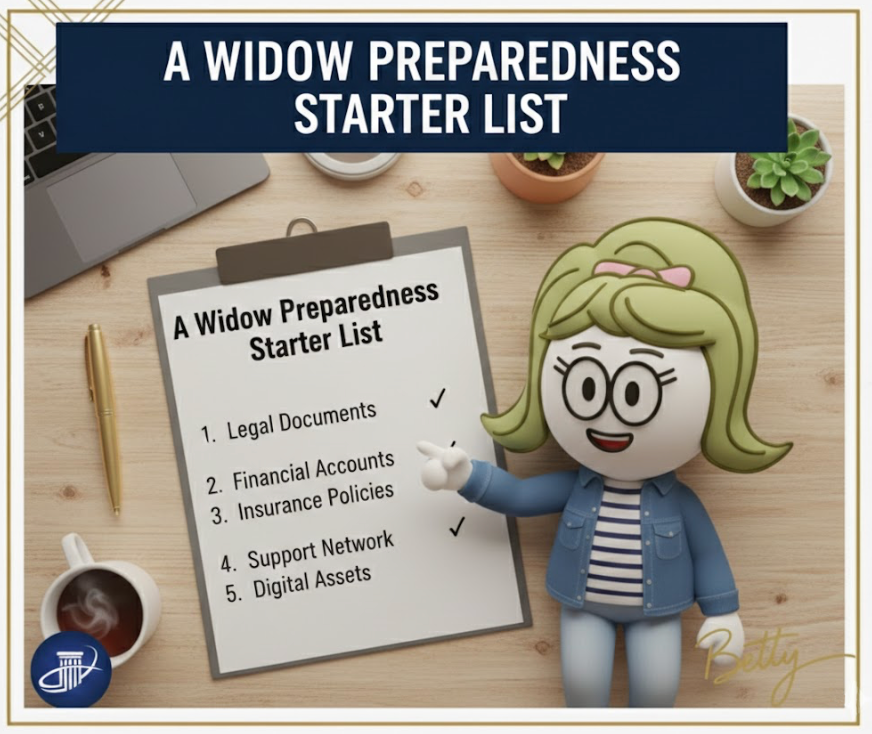
Even in strong marriages, one spouse often manages the financial details. Make sure you can answer: Where are the bank accounts? Retirement accounts? Investment accounts? Insurance policies? Pensions? You don't need to memorize everything, but you should know where the information is kept and how to access it. A simple written list can prevent overwhelming searches during the worst possible time.
Are Your Important Documents Organized and Accessible?
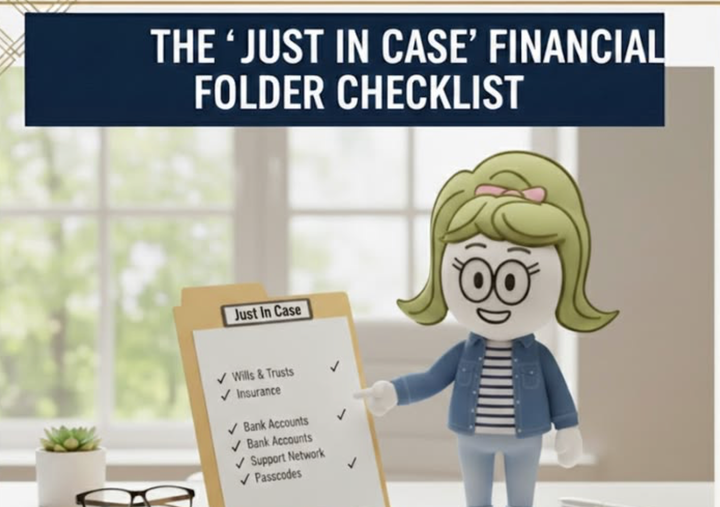
Important documents should be easy to locate, updated, and shared with a trusted person. Key documents include your will, power of attorney, beneficiary designations, Social Security information, insurance policies, and contact information for your financial professionals. A clearly labeled physical folder or secure digital file is often enough. The goal isn't complexity. It's accessibility. For a complete document checklist, read the financial documents every woman should have ready.
Do You Understand Your Household's Income Structure?
Ask yourself three questions. How much monthly income would continue if your spouse passed? What income would stop? Would the remaining income cover essential expenses? You don't need to solve every scenario, but having a general understanding removes the shock factor. Clarity turns uncertainty into steadiness.
Have You Had the Conversation?
Preparedness is not a solo project. It involves a conversation with your spouse, your family, or a trusted advisor. Saying "I want to understand our financial picture" is not pessimistic. It's responsible and loving. Many couples avoid this conversation because it feels uncomfortable, but clarity before a crisis is one of the greatest gifts you can give each other. For more on estate preparation, the ARA team has helpful guides on essential estate planning documents and emergency medical information.
What Is the Simplest Way to Start?
Pick one step this week. Write down your account list. Locate your will. Review your beneficiary forms. Have a 10-minute conversation with your spouse about finances. You don't have to do everything at once. Progress builds quietly. And every step you take today is a gift to your future self.
Frequently Asked Questions
What financial documents should I gather first?
Start with your will, power of attorney, beneficiary designations, a list of all financial accounts (banks, retirement, investments, insurance), and contact information for your financial advisor and attorney. Having these in one accessible location covers the most critical needs.
How often should I review my widow preparedness plan?
At least once a year, ideally during your annual financial review. Life changes like retirement, moving, health events, or changes in family circumstances should also trigger a review. The review itself only takes 30 to 60 minutes.
Should I involve my children in this planning?
Yes, at least one trusted family member should know where your important documents are and how to contact your financial professionals. You don't need to share every dollar amount, but they should know enough to help if something unexpected happens.
Betty's Bottom Line
Widow preparedness isn't morbid. It's one of the most empowering things you can do. Know where your accounts are, organize your documents, understand your income, and have the conversation. Each step takes less time than you think, and the peace of mind it creates lasts. Start with one small action this week. Your future self will thank you.
Save This to Pinterest