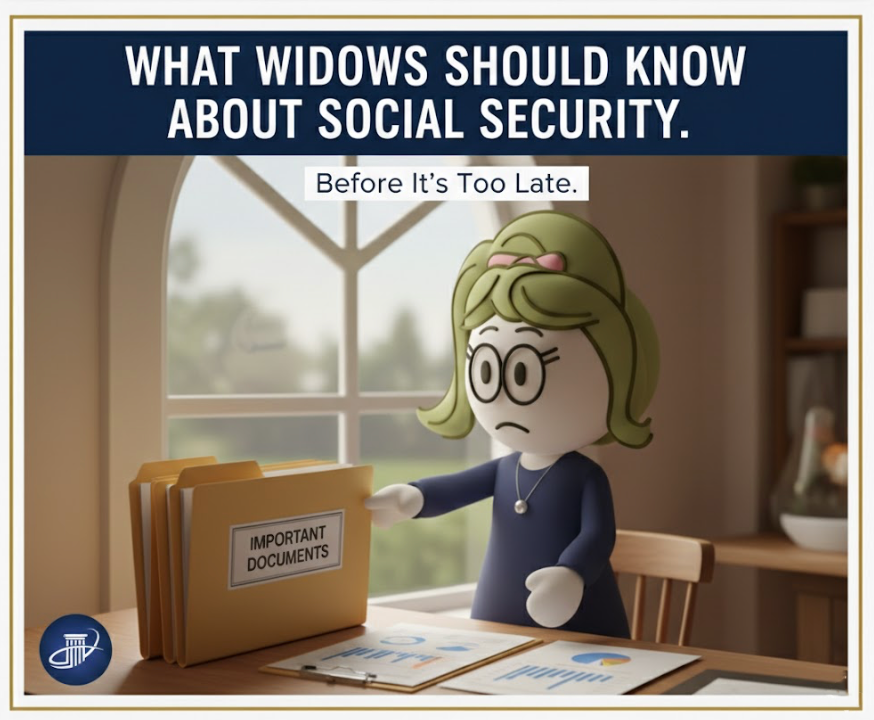
What Widows Should Know About Social Security Benefits
What widows need to know about Social Security survivor benefits. How income changes and what steps to take after losing a spouse.

What Happens to Social Security When a Spouse Passes?
When a spouse passes, you don't continue receiving both Social Security checks. Instead, the surviving spouse typically receives the higher of the two benefits. That means household income often decreases, sometimes significantly, but it does not drop to zero. Understanding that ahead of time can prevent panic during an already overwhelming moment.
"The financial side of losing a spouse hits harder when you're not prepared for the income change," says David P. Schaeffer, advisor at American Retirement Advisors. "Knowing what to expect doesn't remove the grief, but it removes one layer of fear."
How Do Survivor Benefits Work?
Social Security includes survivor benefits specifically for this situation. If your spouse earned a higher benefit, you may be entitled to receive that larger amount instead of your own. However, the amount you receive depends on your age when you begin collecting survivor benefits and whether you've reached full retirement age. This is why understanding the details before you need them matters, especially for women widowed before full retirement age.
Why Does the Income Drop Feel So Sudden?
Even though one benefit continues, many widows notice a sharp financial shift. Two incomes become one, but most household expenses don't decrease proportionally. Housing costs don't drop in half. Utilities stay similar. Insurance, food, and maintenance remain largely the same. That gap between the new income level and existing expenses is what catches many women off guard. Preparedness brings steadiness, and having a plan before you need it is one of the most loving things you can do for yourself.
What Should Married Women Know Right Now?
This isn't only for women who are already widowed. If you're married, ask yourself: Do I know what my survivor benefit would be? Do I know how much income would remain? Would I feel financially clear if something happened tomorrow? Having that clarity now is not morbid. It's wise, and it's a form of self-care. For more on preparing for the unexpected, read what women don't realize until they're suddenly alone.
What Steps Should You Take After Losing a Spouse?
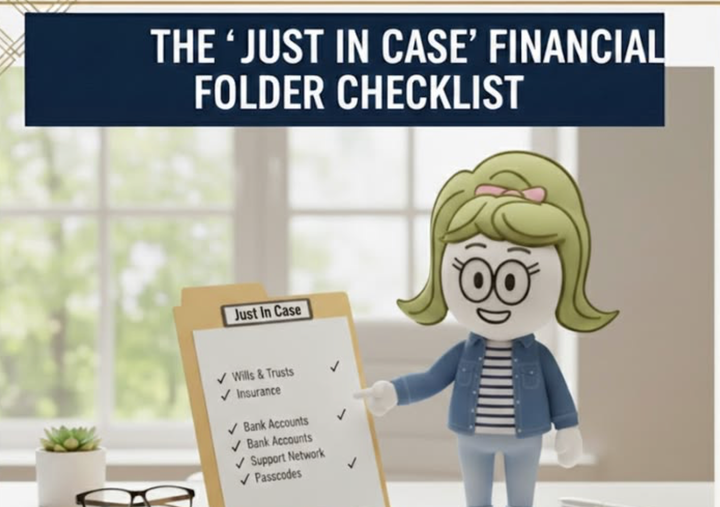
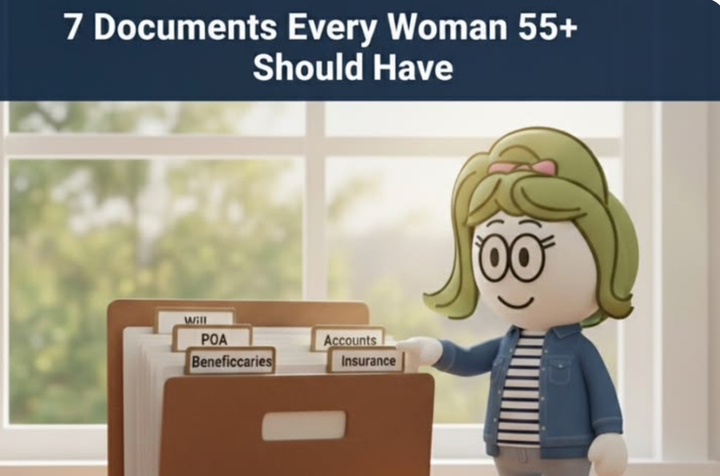
The first step is contacting Social Security to report the passing and apply for survivor benefits. Beyond that, review all income sources, check beneficiary designations on every account, and understand how your monthly budget needs to adjust. Don't try to make major financial decisions in the first few months of grief. Focus on stability first, strategy later. The ARA team has a thoughtful guide on understanding Social Security benefits, and their piece on how loss affects well-being is worth reading during difficult times.
Frequently Asked Questions
Can I collect both my own Social Security and my late spouse's?
No. You cannot collect both benefits simultaneously. Social Security pays you the higher of the two amounts. If your spouse's benefit was larger, you would receive that amount instead of your own. The smaller benefit is not added on top.
When should a widow apply for survivor benefits?
You can apply for reduced survivor benefits as early as age 60 (50 if disabled). For the full survivor benefit, you need to wait until your full retirement age. The right timing depends on your other income sources and financial needs. Contact Social Security or speak with a financial advisor to determine what works best for your situation.
Does remarriage affect my survivor benefits?
If you remarry before age 60, you generally cannot collect survivor benefits on your late spouse's record while you're married. If you remarry after age 60, your survivor benefit eligibility is not affected. This is an important consideration when planning your financial future after loss.
Betty's Bottom Line
Losing a spouse is one of life's hardest experiences, and the financial side makes it harder when you're not prepared. Knowing how survivor benefits work, understanding the income change, and having your documents organized ahead of time are all things you can do right now, while things are calm. Preparation isn't pessimism. It's love. And when you're ready to talk through your specific situation, a trusted advisor can help you feel steady again.
Save This to Pinterest