When to Claim Social Security: What Women Should Consider
When should you claim Social Security? The tradeoffs of claiming early vs. waiting, and how health and marriage affect your timing.

When Is the Best Time to Claim Social Security?
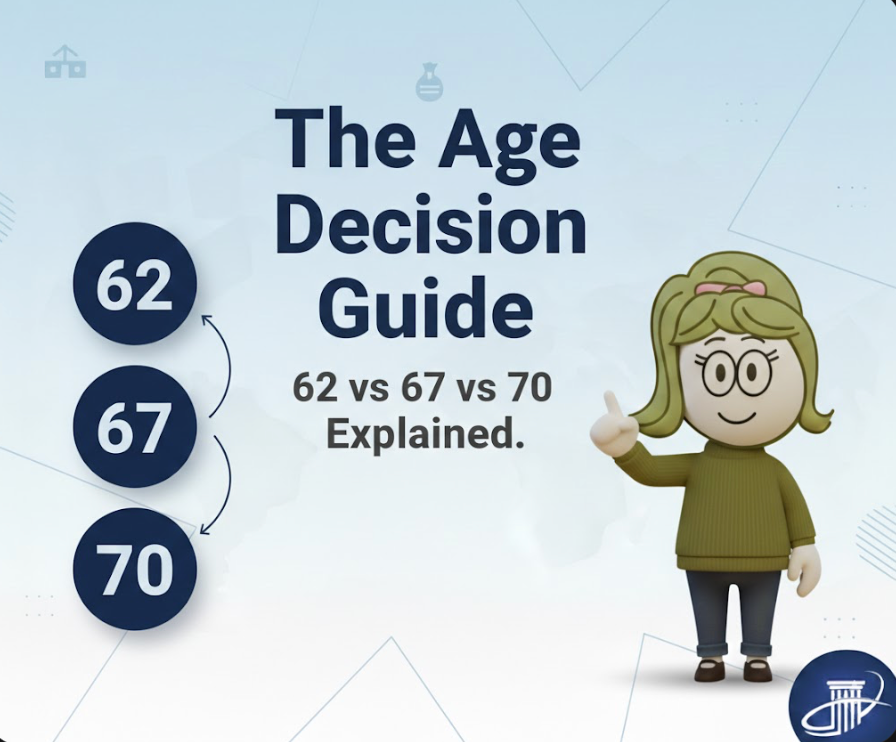
The best time to claim depends on your health, income needs, and overall retirement plan, not a single rule. You can begin as early as 62, wait until full retirement age (66-67 for most women today), or delay until 70 for the maximum monthly benefit. Each choice has real tradeoffs, and the right answer is personal.
"I've seen women who benefited from claiming early and women who benefited from waiting," says Marc Frye, advisor at American Retirement Advisors. "The difference wasn't age. It was whether they made the decision as part of a complete plan."
What Happens If You Claim Social Security at 62?
You get income sooner, but your monthly benefit is permanently reduced. Claiming at 62 can make sense if you need income immediately, plan to retire early, or have health concerns that may shorten your retirement. But it's important to understand that this reduction lasts for life. If you live into your 80s or 90s, the lower monthly amount adds up to significantly less over time.
What Do You Gain by Waiting Until 70?
For every year you delay past full retirement age (up to 70), your monthly benefit grows by roughly 8 percent. That means higher guaranteed income for life, greater lifetime payouts if you live longer, and stronger financial support in your later years. Women, on average, live longer than men, which can make delaying more valuable. But waiting only makes sense if you have other income to cover expenses in the meantime.
How Does Marriage Affect Your Claiming Strategy?
If you're married, your decision affects more than just you. Spousal and survivor benefits can influence when claiming makes the most sense. A higher benefit for one spouse can mean stronger survivor income if one partner passes first. Coordinating timing between spouses can increase total lifetime household income. For married couples, this is one of the most important planning decisions you'll make. For more strategies, see maximizing Social Security benefits.
What Role Does Health Play in This Decision?
Health and family longevity are among the most personal factors. If the women in your family have typically lived into their late 80s or 90s, delaying benefits may pay off substantially. If you have health concerns that could shorten your retirement timeline, claiming earlier may make more sense. There's no judgment in either direction. The goal is alignment with your actual life. For broader timing considerations, read finding your perfect retirement timing.
Should You Decide Alone or With an Advisor?
This decision has decades of financial impact, so it's worth getting guidance. A retirement advisor can model different scenarios based on your age, health, marital status, and other income sources. What looks obvious at first glance often shifts when you see the full picture. If you want to explore how claiming fits into your broader plan, read what widows should know about Social Security for another important angle.
Frequently Asked Questions
What is full retirement age for Social Security?
Full retirement age (FRA) depends on your birth year. For women born between 1955 and 1960, FRA ranges from 66 and 2 months to 67. At FRA, you receive 100% of your earned benefit. Claiming before FRA permanently reduces it; waiting past FRA increases it up to age 70.
Can I change my mind after claiming Social Security?
If you claimed within the past 12 months, you can withdraw your application, repay the benefits received, and restart later for a higher amount. After 12 months, the decision is generally permanent. This is why it's worth taking time with this choice rather than rushing.
Does my ex-spouse's record affect my Social Security?
If you were married for at least 10 years and haven't remarried, you may be eligible for benefits based on your ex-spouse's earnings record. This doesn't reduce your ex-spouse's benefit. It's a separate entitlement that many divorced women don't know they have.
Betty's Bottom Line
When to claim Social Security is one of the most personal retirement decisions you'll make. Early, late, or somewhere in between, the right answer depends on your health, your income picture, and your long-term plan. Don't let a single rule of thumb drive this choice. Look at the full picture, and if you're unsure, a conversation with a trusted advisor can help you find the timing that fits your life.
Save This to Pinterest